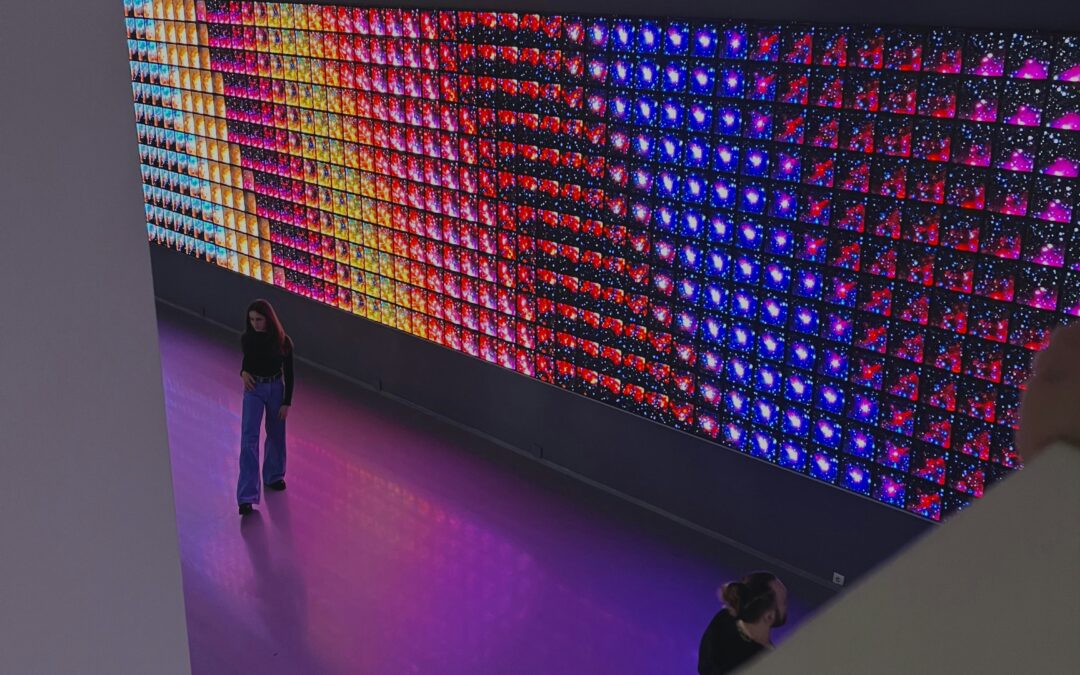
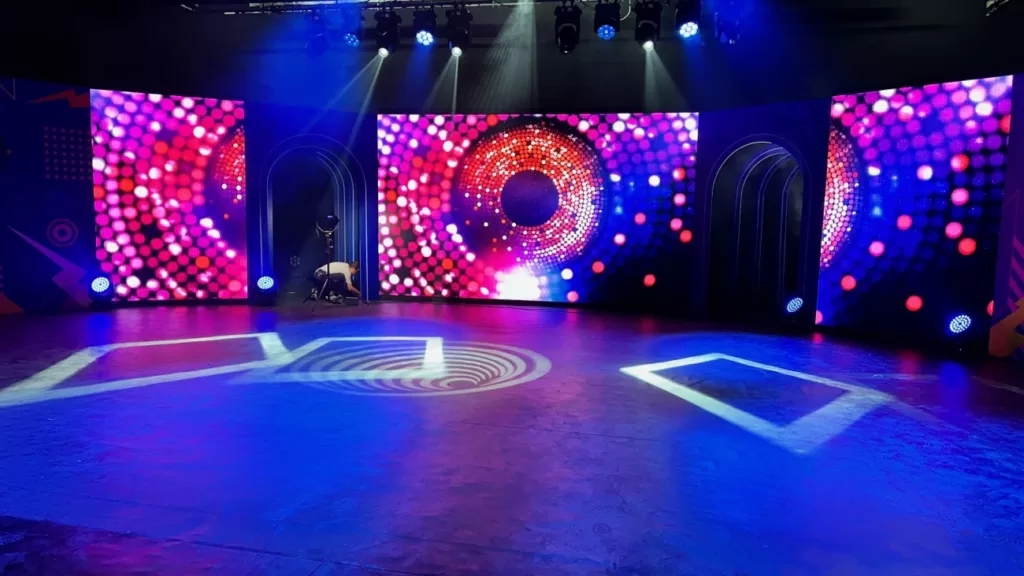
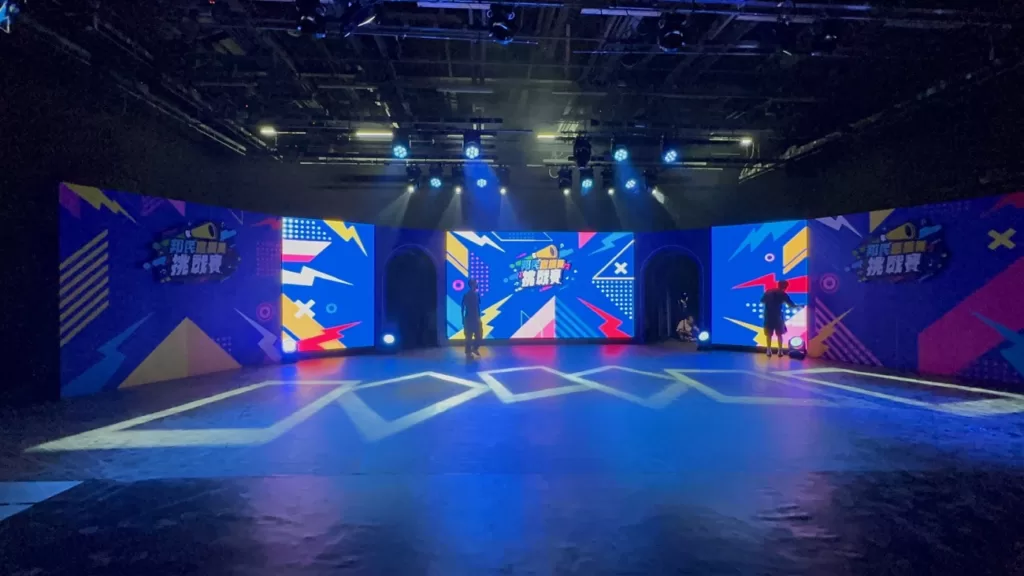
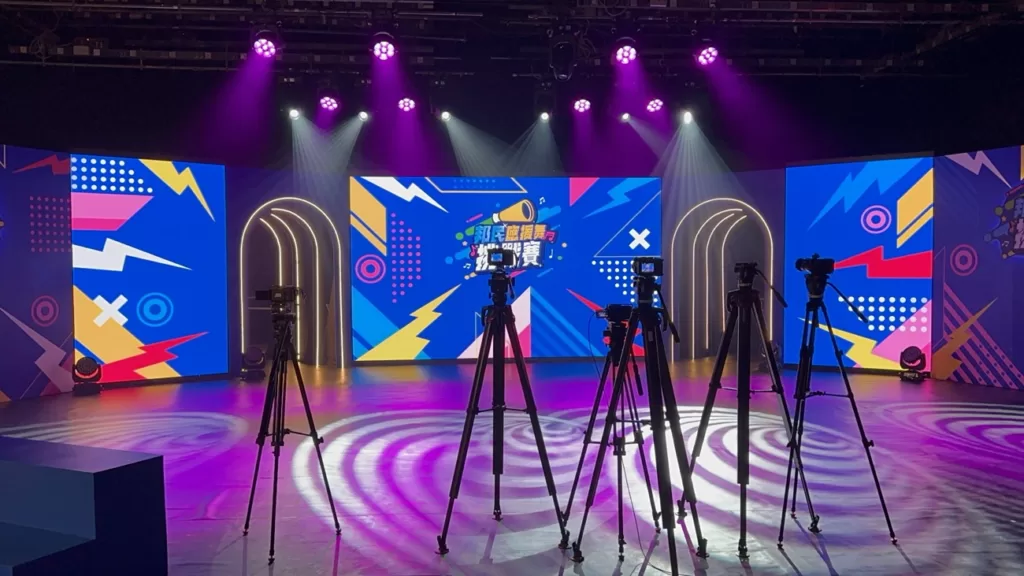
LED walls represent a breakthrough in the field of virtual shooting, offering filmmakers an innovative technology that significantly enhances the production process. These massive, high-resolution LED display panels are designed to present dynamic digital environments, enabling actors and sets to interact with vibrant, lifelike backgrounds in real-time. The technology behind LED walls integrates multiple LED modules that work seamlessly to create a continuous visual display. Each module is composed of tiny LED lights that can adjust brightness and color, resulting in a high-definition image that can be viewed from various angles.
One of the key advantages of LED walls lies in their ability to display immersive environments that can change instantaneously based on the requirements of a scene. This contrasts sharply with traditional green screens, where actors must perform against a uniform, flat surface while imagining their surroundings. While green screens have been a reliable tool in filmmaking for decades, they come with notable limitations. For instance, the green screen technique often necessitates extensive post-production work to integrate virtual backgrounds into the scene, which can lead to inconsistencies in lighting and perspective.
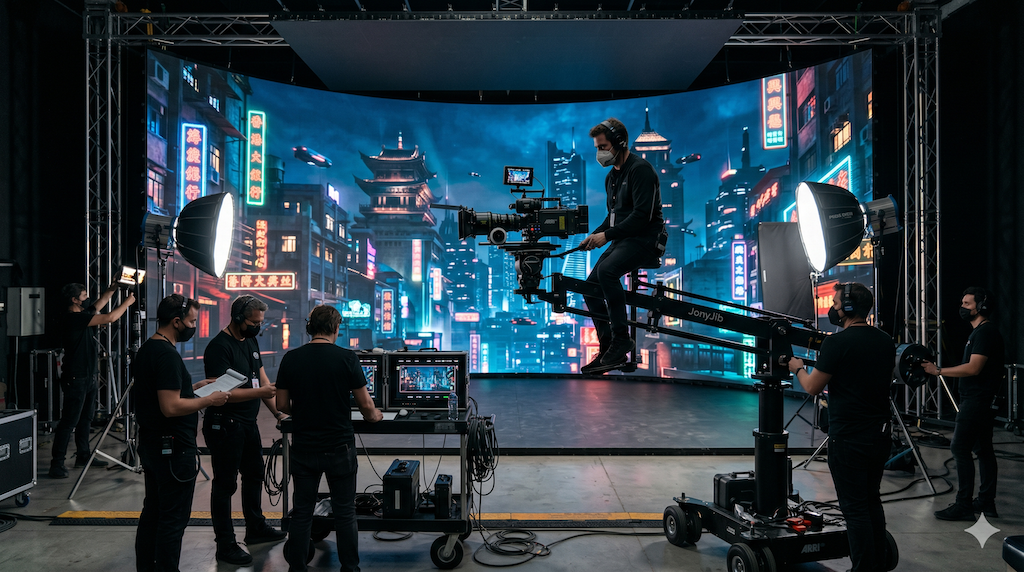
In contrast, LED walls provide a more cohesive and realistic atmosphere on set. By projecting digital backgrounds that react to the movements of the camera and actors, LED walls facilitate a more authentic interaction. This allows for accurate reflections and real-time lighting changes, which ultimately enhances the overall visual quality of the production. Additionally, filmmakers can simulate various environments ranging from expansive landscapes to intricate interiors, enriching the storytelling experience without the extensive logistical challenges associated with physical location shooting. Thus, LED walls are revolutionizing the way filmmakers approach scene creation, offering an effective alternative to conventional filming methods.
The Advantages of Using LED Walls in Virtual Production
LED walls have emerged as a transformative element in virtual production, facilitating a substantial shift in how films are created. One of the primary advantages of utilizing LED technology is the enhanced realism it offers. The vivid colors and dynamic lighting on these screens simulate real-world environments, enabling filmmakers to immerse their audiences in breathtaking settings. This realism is particularly evident in productions such as The Mandalorian, where LED walls created expansive landscapes that were previously challenging to achieve.
In addition to heightened realism, LED walls contribute to quicker production times. Traditional filming often involves intricate setups for green screens and meticulous post-production work to integrate backgrounds. However, with LED walls, directors can achieve a seamless blend of live action and digital backgrounds in real-time. This innovation not only reduces the time spent in post-production but also minimizes the need for extensive reshoots, allowing for a more efficient workflow.
Furthermore, LED walls offer greater creative flexibility for filmmakers. Directors can change environments at a moment’s notice, adjusting the backdrop to fit the narrative without the logistics of relocating to different physical locations. This flexibility was showcased in the production of Westworld, where the ability to vary landscapes helped in constructing multiple narratives within the same filming location.
Another significant benefit is the positive impact on actor performances. The immersive qualities of LED walls create a more engaging atmosphere for actors, enhancing their ability to react to their surroundings realistically. Not being confined to a soundstage can help actors channel their emotions more effectively, resulting in performances that resonate with authenticity. Thus, the incorporation of LED technology in virtual production exemplifies a critical advancement in the filmmaking process, merging innovation with artistry.
Case Studies: Innovations in Filmmaking with LED Walls
The introduction of LED walls in the filmmaking industry has transformed production processes significantly, bringing forth a new era of visual storytelling. A notable example of this innovation can be seen in the highly acclaimed series The Mandalorian. This series utilizes a groundbreaking virtual production technique that integrates LED technology, allowing filmmakers to create immersive environments while filming in real-time. The use of large LED screens as backdrops offers various advantages, such as enhanced lighting control and the ability to produce high-quality visuals without extensive green screen setups.
In The Mandalorian, the production team employed a technique known as “StageCraft” developed by ILMxLAB. This approach not only allowed the seamless integration of live-action with dynamic, computer-generated backgrounds but also enabled actors to perform within realistic settings, enhancing their performance and the overall production quality. The detailed visual effects and vivid environments made possible by LED walls played a crucial role in the series’ narrative immersion and audience engagement.
Another film that showcases the effective use of LED walls is Avatar: The Way of Water. In this production, filmmakers implemented LED technology to create realistic aquatic environments and complex scenes that would be difficult to achieve with traditional filming methods. The ambient light and reflections generated by LED walls provided great depth and realism to the underwater sequences, captivating viewers with visually stunning imagery.
Furthermore, recent films like West Side Story and Ready Player One have also embraced LED walls, illustrating their versatility in various genres. These productions highlight how LED walls can enhance set design, reduce production costs, and shorten shooting schedules, thus revolutionizing the filmmaking process. Overall, the incorporation of LED walls in virtual shooting is becoming an industry standard, promising to reshape the future of cinematic storytelling.
The Future of Virtual Production with LED Technology
The virtual production landscape is undergoing a rapid transformation, primarily driven by advancements in LED wall technology. As filmmakers increasingly incorporate these high-resolution display systems into their workflows, the future of virtual shooting appears promising. The evolving capabilities of LED walls facilitate real-time rendering and immersive environments, allowing creators to seamlessly integrate live-action footage with digital backgrounds. This innovative approach is not only enhancing the artistic possibilities for filmmakers but also significantly improving production efficiency.
One notable trend in the realm of virtual production is the democratization of technology. Historically, high-budget productions were the primary beneficiaries of sophisticated visual effects and virtual sets. However, as LED technology continues to advance, smaller studios and independent filmmakers are gaining more access to these tools. The affordability and portability of LED walls are on the rise, making it feasible for diverse creators to experiment with virtual production techniques. This shift is likely to foster a more inclusive filmmaking ecosystem where innovative ideas can flourish regardless of the budget.
Furthermore, ongoing innovations in LED technology are set to refine the visual quality of virtual productions. Improvements in brightness, color accuracy, and refresh rates will allow filmmakers to achieve unprecedented realism in their projects, thus blurring the lines between reality and digital landscapes. As virtual production becomes more widespread, it is anticipated that new storytelling formats will emerge, encouraging directors to push the boundaries of traditional filmmaking. The adaptability and versatility of LED walls will empower creators to explore diverse narratives, expanding the cinematic experience for audiences.
In conclusion, the future of virtual production with LED technology heralds a new era for filmmakers. With increasing accessibility and constant innovations, this technology is poised to redefine the industry, inviting a wider range of voices to contribute to the cinematic tapestry.
The advent of virtual production (VP) technologies has ushered in a groundbreaking transformation for the filmmaking industry. This shift is particularly evident in dynamic markets such as Hong Kong, where traditional filmmaking methods are being significantly enhanced by innovative solutions. By integrating advanced LED wall systems, filmmakers can now create immersive environments that facilitate imaginative storytelling and streamline the production process. Mr Event Planner aims to leverage these technological advancements to assist local creators in navigating the challenges associated with pre-production and filming phases.
Unlocking Creativity: A Business Proposal for Next-Generation Virtual Production LED Wall Rental Services 3
Within the context of Hong Kong’s competitive cinematic landscape, our mission is to provide filmmakers with the tools they need to elevate their projects without the constraints typically imposed by conventional production methods. The state-of-the-art LED volume technology we offer allows for real-time background changes and more flexible shooting setups, which not only enhances creativity but also significantly reduces logistical burdens. This solution addresses multiple pain points, such as the need for extensive location shooting and the associated costs.
In addition to cutting-edge technology, our team comprises local experts with a profound understanding of the unique challenges faced by filmmakers in Hong Kong. This local expertise ensures that our clients receive tailored support and guidance throughout the production process, thereby maximizing the effectiveness of the LED volume technology. Moreover, we provide adaptable rental packages that are not only cost-effective but also designed to meet the diverse demands of commercial and film shoots.
Through these offerings, Mr Event Planner positions itself as a crucial partner for filmmakers looking to unlock their creative potential while overcoming traditional hurdles. Our comprehensive VP solutions ultimately pave the way for a new era of filmmaking in Hong Kong and beyond.
Market Pain Points vs. The Virtual Production Solution
Commercial directors, independent filmmakers, and production houses face several significant pain points in the traditional filmmaking landscape, particularly regarding the cumbersome processes associated with conventional green screens. One of the most labor-intensive aspects is post-production work, which often entails long durations dedicated to color-keying and fixing footage. This not only extends the timeline of a project but also increases production costs, making it a less desirable approach for budget-conscious filmmakers. The reliance on green screens can introduce various challenges that complicate the creative vision during post-production.
Additionally, location scouting in Hong Kong presents its own set of obstacles. Filmmakers often find that weather conditions can be unpredictable, leading to delays in shooting schedules. The permitting laws in the region can be stringent, and navigating through this bureaucratic landscape can consume valuable production time. Furthermore, ambient noise from urban environments is another variable that can interfere with sound quality and overall production valuing, causing additional stress and hurdles for filmmakers attempting to stay on schedule.
In stark contrast, virtual production technology emerges as a superior solution to these challenges. By utilizing LED walls, filmmakers can achieve real-time backgrounds that mitigate the extensive post-production work typically associated with green screens. This not only saves time but also provides instant visual feedback, allowing for faster creative decisions and reducing overall expenses. Moreover, virtual production minimizes location scouting challenges by allowing directors to conceive rich, dynamic environments without dependence on unpredictable weather or external noise. As a result, virtual production stands as a modern, efficient, and cost-effective alternative that addresses the core pain points faced by filmmakers today.
Unlocking Creativity: A Business Proposal for Next-Generation Virtual Production LED Wall Rental Services 4
Technology Overview: LED Volume Production
In recent years, LED volume production has revolutionized the film industry, providing a more dynamic and efficient way to create immersive environments directly in-camera. This cutting-edge technology utilizes high-resolution LED walls that can display real-time visual effects, allowing filmmakers to project backgrounds and environments that enhance the storytelling experience. Unlike traditional green screens, LED volumes enable actors to interact with the actual environment, offering unprecedented realism in cinematography.
The technical components of LED walls consist of advanced modular LED panels, which can be seamlessly configured to create expansive virtual sets. These panels are designed to deliver contrasting colors and an impressive brightness sufficient for outdoor shoots, ensuring that they can adapt to various lighting conditions on set. Additionally, integration with real-time rendering technology allows filmmakers to visualize complex environments instantly, facilitating immediate adjustments as needed. This immediate feedback loop fosters a collaborative creative process, enabling filmmakers to make informed decisions regarding camera angles, lighting, and the environment.
The benefits of utilizing LED volume technology extend far beyond mere aesthetics. By reducing the reliance on green screens, filmmakers can significantly lower post-production times, shifting more focus to on-set creativity rather than lengthy editing processes. The ability to change lighting scenarios and environments on the fly empowers directors and cinematographers to experiment in ways previously unfeasible. This flexibility provides an opportunity for greater creative expression, leading to a more engaging final product that resonates with audiences.
When compared to conventional filming methods, the advantages of LED volume production are striking. Traditional techniques often involve extensive location shoots and complex post-production editing to achieve desired visual effects, making the process labor-intensive and time-consuming. By incorporating LED walls, projects can maintain a swift production schedule while still delivering cinematic quality. Thus, the transition towards LED volume production is not just a technical shift; it represents a fundamental transformation in the creative process for filmmakers.
Conclusion and Call to Action
In summary, the advent of virtual production technology represents a significant shift in the filmmaking landscape, particularly for professionals operating within the vibrant Hong Kong film industry. The utilization of LED wall rental services, such as those offered by Mr Event Planner, not only enhances the visual storytelling process but also fosters greater creative freedom for directors and filmmakers. By minimizing reliance on traditional backdrops and physical sets, this innovative approach allows for dynamic environments that can be altered in real-time to suit the narrative requirements, thereby enhancing the overall production value.
The discussion presented illustrates how virtual production can streamline the filmmaking process, leading to accelerated timelines and reduced costs. As the demand for high-quality visual content continues to grow in the corporate landscape, the ability to adapt quickly and creatively becomes increasingly vital. Engaging Mr Event Planner’s LED wall services can empower filmmakers and corporate brand managers to meet these challenges head-on by leveraging state-of-the-art technology in their projects.
We call on directors, filmmakers, and brand managers in Hong Kong to consider the transformative potential of virtual production. Exploring LED wall rental services is not merely an option but a strategic move towards the future of content creation. By embracing these advanced solutions, creative professionals can enhance their storytelling capabilities and maintain a competitive edge in an ever-evolving industry. Take the leap into the next generation of filmmaking with Mr Event Planner’s innovative services—your project deserves it.
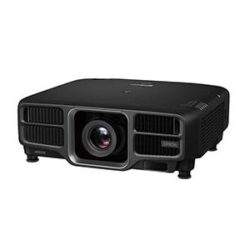
A high-brightness and high-resolution projector that can support 1080P or 4K HD quality, and can be compatible with various formats and interfaces of video signals .
An omnidirectional camera or multiple ordinary cameras that can shoot a complete scene as a single image, or use computer software to stitch multiple photos together.
A suitable background or curtain for projection, which can be a white or other monochrome plane, or a surface with texture or pattern, depending on the need.
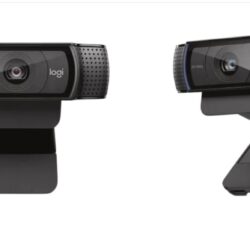
A camera or camcorder that can shoot videos with high quality and high frame rate, and can synchronize with the projector to adjust parameters and angles.
虚拟拍摄的步骤如下:
Choose a suitable location and time, prepare the projector, omnidirectional camera, background or curtain, camera or camcorder and other equipment.
Use an omnidirectional camera or multiple ordinary cameras to shoot the scene you want to project, or use computer software to create the image you want to project.
Connect the projector to the omnidirectional camera or computer, and send the scene or image you want to project to the projector.
Align the projector with the background or curtain, adjust the size, position, brightness, color and other parameters of the projection to match the real scene.
Align the camera or camcorder with the projection area, adjust the angle, focus, exposure and other parameters of the shooting to match the projection
LED screen technology has revolutionized the way information is displayed across various platforms. At its core, LED stands for Light Emitting Diode, which is a semiconductor device that emits light when an electric current passes through it. This technology enables the creation of screens that deliver vibrant colors and exceptional brightness, setting a new standard in digital displays. Large LED screens are particularly valuable in contrast to traditional display methods, offering numerous advantages that contribute to enhanced viewer engagement.
There are several types of large LED screens available on the market, including indoor and outdoor models. Indoor LED screens typically feature a higher pixel density, allowing for detailed and sharp displays suitable for events, presentations, and exhibitions. On the other hand, outdoor LED screens are designed to withstand various weather conditions, making them ideal for advertising, concerts, and public displays. These screens often employ brighter LEDs to ensure visibility even in direct sunlight.
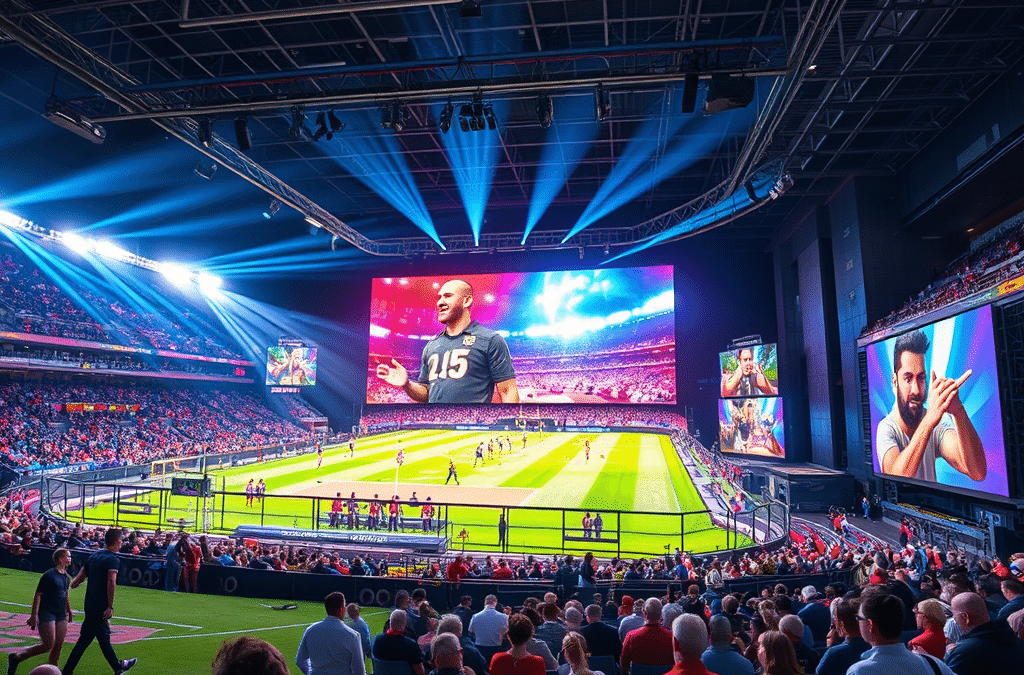
The typical uses for large LED screens span numerous settings. In the advertising realm, businesses utilize them to captivate audiences and showcase products with dynamic visuals. At sporting events, LED screens provide real-time updates and replays, enhancing the fan experience. Additionally, public displays often employ large screens to communicate important information or entertain crowds, highlighting their adaptability across different environments.
The advantages of using LED screens over traditional display methods are noteworthy. They are significantly brighter than LCD and projection screens, ensuring that content remains visible in a variety of lighting conditions. Furthermore, LED technology is more energy-efficient, reducing operational costs for businesses while providing a longer lifespan compared to other display technologies. These attributes not only enhance the overall viewing experience but also contribute to sustainable practices in visual communication.
Best Practices for Setting Up Large LED Screens
Successfully setting up large LED screens requires careful consideration of various factors that contribute to their effectiveness. One of the first steps in ensuring optimal performance is the proper placement of the screen. The location should allow for maximum visibility, avoiding obstructions and ensuring that viewers are positioned at a suitable distance. The screen’s height should also be taken into account; it should be elevated enough to be seen by standing audiences while not obstructing sightlines.
The viewing angle plays a crucial role in the experience delivered by large LED screens. Ideally, the installation should provide a wide viewing angle so that the content is easily visible from different positions. In general, the horizontal viewing angle should be between 160 to 180 degrees to accommodate various audience locations. To achieve this, careful consideration should be given to the relative angle at which the screen is mounted and the audience’s positioning.
Connection configurations are another fundamental aspect of setting up large LED screens. It’s important to ensure that the wiring is adequately protected and organized to prevent signal loss or interference, which can diminish screen performance. Utilizing high-quality cables and connectors can facilitate a reliable connection, while also abiding by the recommended specifications of the screen manufacturer. It is also advisable to perform regular maintenance checks to address any potential connectivity issues proactively.
Environmental considerations considerably impact screen performance, particularly for outdoor setups. Adequate weather protection, such as housing or appropriate shielding, is essential to safeguard the screen from environmental factors like rain, wind, and UV rays. Additionally, lighting conditions should be evaluated; for outdoor displays, brighter screens may be necessary to combat sunlight, while indoor settings may require adjustments for optimal viewing in various lighting scenarios. By adhering to these best practices, users can maximize the impact and visibility of their large LED screens, ensuring a more engaging experience for their audience.
Content Management and Display Considerations
Effectively managing content for large LED screens is essential to ensure that the intended message reaches the audience in a visually appealing manner. One of the first considerations in this process is the design of graphics. High-quality visuals not only attract attention but also enhance the viewer’s understanding of the presented information. It is advisable to utilize bold fonts and contrasting colors that are easily readable from a distance. Keeping the text concise and to the point is paramount, as large screens are often viewed from various angles and distances.
Furthermore, the resolution and aspect ratio of the content must align with the technical specifications of the LED screens in use. When designing graphics and videos, it is essential to confirm that they meet the optimal resolution to avoid pixelation and distortion that can detract from the viewing experience. Different LED screens may have varying aspect ratios, so aligning content to fit these dimensions can help maintain visual integrity.
The effective application of color and motion can significantly capture and maintain audience attention. Utilizing a color palette that resonates with the branding and message enhances visibility and emotional engagement. Motion elements, such as animations or transitions, should be used judiciously to prevent distraction while still keeping the display dynamic.
Scheduling content effectively is also crucial. Employing software tools for content management allows for the seamless organization of playlists and timely updates. This not only saves time but also enables the team to remain flexible in responding to real-time events or changes in messaging needs. By strategically planning and managing content, users of large LED screens can ensure a cohesive and impactful presentation that resonates with viewers.
Maintenance and Troubleshooting Tips for LED Screens
Maintaining large LED screens is crucial for extending their lifespan and ensuring optimal performance. Regular cleaning is an essential part of this maintenance process. It is recommended to use a soft, lint-free cloth and a gentle cleaner specifically designed for electronics. Avoid using abrasive materials that could scratch the screen surface. Routine cleaning should occur at least once a month, or more frequently if the screen is located in a dusty or high-traffic environment. Keeping the screen free from dirt and grime will enhance visibility and color vibrancy.
Users should also be aware of common issues that may arise with LED screens. One of the most noticeable problems is dead pixels, which appear as black or white dots on the display. Color inconsistency can also occur, where certain areas of the screen may appear different from others. These issues can impact the overall quality of the display. If such problems arise, it is advisable to consult the user’s manual for initial troubleshooting steps or apply small adjustments via the screen’s settings menu.
For minor problems, basic troubleshooting may include checking connections, resetting the device, or adjusting the display settings. However, for more complex issues, relying on professional servicing is necessary. Regular system checks by certified technicians are advisable to diagnose and fix potential problems before they escalate. Additionally, reviewing warranty considerations is essential, as many manufacturers provide coverage that includes professional maintenance and repair services. Ultimately, a proactive maintenance strategy will not only prolong the lifespan of large LED screens but also ensure they function effectively, delivering high-quality visuals over time.
In this digital age, technology continues to push the boundaries of what is possible, especially in the realm of virtual shoot productions. One such technological marvel is the LED wall rental, a versatile solution that has revolutionized virtual shoot experiences. In this article, we will delve into the world of LED wall rentals, exploring their benefits, cost-effectiveness, flexibility, and their ability to enhance virtual shoots.
Led Wall Rentals for Virtual Shoot 10
Introduction
Virtual shoots have become increasingly popular due to their convenience and flexibility. Traditionally, green screens were used to replace backgrounds in virtual shoots, but they often lacked realism and depth. Enter LED wall rentals. These large-scale screens consist of LED panels seamlessly merged together to create a captivating visual experience.
Led Wall Rentals for Virtual Shoot 11
What is LED Wall Rental?
LED wall rentals involve the temporary use of LED walls for virtual shoots. These walls can vary in size, resolution, and configuration, offering a range of possibilities for content creators. They can be easily transported and set up to transform any location into a dynamic virtual setting.
Led Wall Rentals for Virtual Shoot 12
Benefits of LED Wall Rentals for Virtual Shoots
1. Cost-effectiveness
LED wall rentals provide a cost-effective option compared to building physical sets or extensively editing green screen backgrounds. The realistic and immersive nature of LED walls eliminates the need for expensive post-production work, ultimately saving both time and money.
2. Flexibility and Customization Options
LED walls offer the flexibility to create various virtual environments without limitations. From sprawling landscapes to futuristic cityscapes, LED walls can be tailored to suit any creative vision. The ability to customize lighting, textures, and colors allows for endless possibilities, enhancing the overall production quality.
3. Enhancing Virtual Shoots
LED walls bring virtual shoots to life by providing realistic backgrounds in real-time. The high pixel density and vibrant colors of LED panels ensure stunning visual quality, resulting in a more engaging and captivating virtual shoot experience. This ultimately strengthens the connection between the audience and the content being produced.
4. Increasing Engagement and Immersion
Virtual shoot productions aim to captivate and immerse audiences. LED walls play a crucial role in achieving this goal by providing a dynamic and immersive setting. With real-time visuals that react to the actions and movements of the subjects, LED walls create a sense of realism and authenticity, keeping viewers fully engaged throughout the production.
Challenges and Considerations of LED Wall Rentals
While LED wall rentals offer numerous advantages, there are a few challenges and considerations to keep in mind:
Technical Expertise: Proper setup and calibration of LED walls require technical expertise to ensure optimal performance.
Production Space: LED walls require ample space for setup, especially for larger configurations. Adequate planning is essential to accommodate the size and logistical requirements of the LED walls.
Power and Connectivity: LED walls consume a significant amount of power and require stable connectivity. It is important to ensure that the production location can provide sufficient electrical supply and reliable internet connection.
Led Wall Rentals for Virtual Shoot 13
Best Practices for Using LED Walls in Virtual Shoots
To maximize the potential of LED walls for virtual shoots, here are some best practices to follow:
Collaborate with Experienced Professionals: Seek guidance from experts who have experience working with LED walls for virtual shoots. Their expertise will help you navigate any technical challenges and ensure optimal results.
Test and Calibrate: Before the actual shoot, conduct thorough testing and calibration of the LED walls to ensure accurate color reproduction and seamless integration with the production setup.
Optimize Lighting: Proper lighting is essential to achieve a harmonious blend between the LED walls and the subjects in the virtual shoot. Experiment with different lighting setups to obtain the desired visual effect.
Coordinate Camera Movements: Coordinate camera movements with the content displayed on the LED walls to enhance the realism and immersion. Syncing camera movements with the virtual environment creates a more cohesive and believable experience.
Plan for Post-production: While LED walls minimize the need for extensive post-production work, it is still vital to have a plan in place for any necessary edits or enhancements.
Led Wall Rentals for Virtual Shoot 14
Conclusion
LED wall rentals have brought a new level of creativity and realism to virtual shoots. The benefits they offer, such as cost-effectiveness, flexibility, and enhanced engagement, make them a valuable tool for content creators. By following best practices and considering the challenges involved, LED walls can truly transform virtual shoot productions, providing immersive and visually stunning experiences.
FAQs
1. Are LED wall rentals only suitable for large-scale productions? LED wall rentals can be used for productions of all sizes. The versatility and scalability of LED walls make them suitable for both small and large-scale virtual shoots.
2. Can LED walls be used for live virtual events? Absolutely! LED walls can be seamlessly integrated into live virtual events, adding visual flair and creating a captivating experience for participants.
3. How long does it take to set up LED walls for a virtual shoot? The setup time can vary depending on the size and complexity of the LED wall configuration. Generally, it takes a few hours to properly set up and calibrate LED walls for a virtual shoot.
4. Do LED walls require any specific software or equipment? LED walls typically require specialized software and hardware for setup and control. However, rental companies often provide the necessary equipment and technical support.
5. Can LED walls be used outdoors? LED walls can be used outdoors, but additional considerations need to be taken into account, such as weatherproofing and appropriate power supply arrangements.




你必須登入才能發表留言。