Revolutionizing Filmmaking: The Impact of LED Walls in Virtual Shooting
What is an LED Wall and How Does It Work?
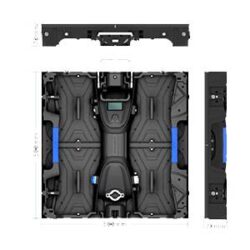
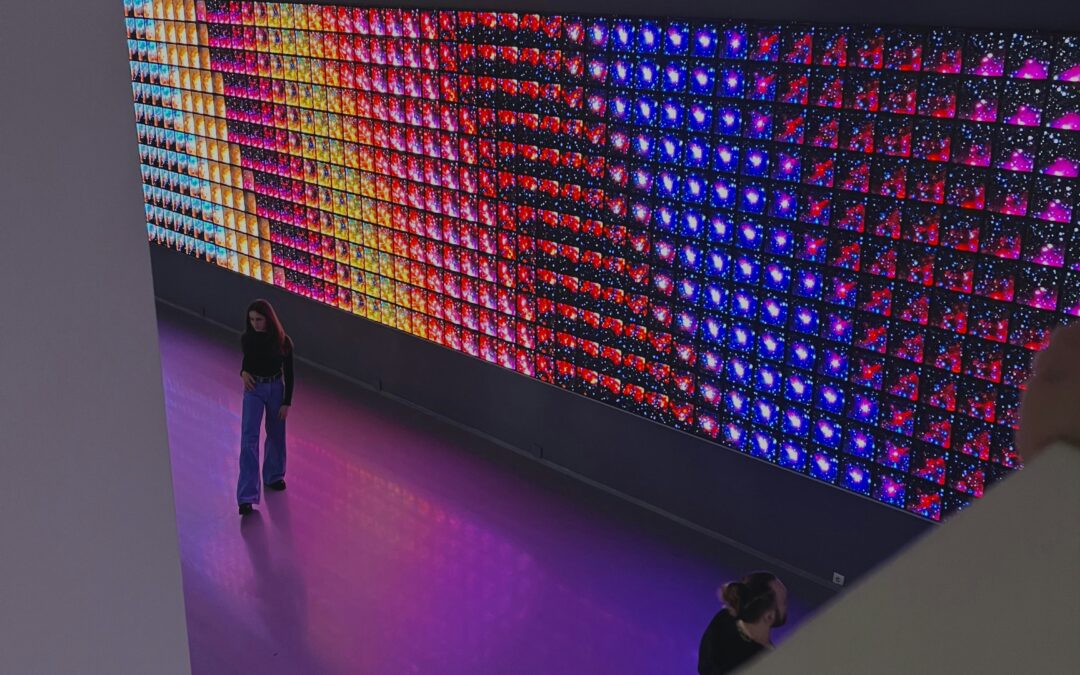
LED walls represent a breakthrough in the field of virtual shooting, offering filmmakers an innovative technology that significantly enhances the production process. These massive, high-resolution LED display panels are designed to present dynamic digital environments, enabling actors and sets to interact with vibrant, lifelike backgrounds in real-time. The technology behind LED walls integrates multiple LED modules that work seamlessly to create a continuous visual display. Each module is composed of tiny LED lights that can adjust brightness and color, resulting in a high-definition image that can be viewed from various angles.
One of the key advantages of LED walls lies in their ability to display immersive environments that can change instantaneously based on the requirements of a scene. This contrasts sharply with traditional green screens, where actors must perform against a uniform, flat surface while imagining their surroundings. While green screens have been a reliable tool in filmmaking for decades, they come with notable limitations. For instance, the green screen technique often necessitates extensive post-production work to integrate virtual backgrounds into the scene, which can lead to inconsistencies in lighting and perspective.
In contrast, LED walls provide a more cohesive and realistic atmosphere on set. By projecting digital backgrounds that react to the movements of the camera and actors, LED walls facilitate a more authentic interaction. This allows for accurate reflections and real-time lighting changes, which ultimately enhances the overall visual quality of the production. Additionally, filmmakers can simulate various environments ranging from expansive landscapes to intricate interiors, enriching the storytelling experience without the extensive logistical challenges associated with physical location shooting. Thus, LED walls are revolutionizing the way filmmakers approach scene creation, offering an effective alternative to conventional filming methods.
The Advantages of Using LED Walls in Virtual Production
LED walls have emerged as a transformative element in virtual production, facilitating a substantial shift in how films are created. One of the primary advantages of utilizing LED technology is the enhanced realism it offers. The vivid colors and dynamic lighting on these screens simulate real-world environments, enabling filmmakers to immerse their audiences in breathtaking settings. This realism is particularly evident in productions such as The Mandalorian, where LED walls created expansive landscapes that were previously challenging to achieve.
In addition to heightened realism, LED walls contribute to quicker production times. Traditional filming often involves intricate setups for green screens and meticulous post-production work to integrate backgrounds. However, with LED walls, directors can achieve a seamless blend of live action and digital backgrounds in real-time. This innovation not only reduces the time spent in post-production but also minimizes the need for extensive reshoots, allowing for a more efficient workflow.
Furthermore, LED walls offer greater creative flexibility for filmmakers. Directors can change environments at a moment’s notice, adjusting the backdrop to fit the narrative without the logistics of relocating to different physical locations. This flexibility was showcased in the production of Westworld, where the ability to vary landscapes helped in constructing multiple narratives within the same filming location.
Another significant benefit is the positive impact on actor performances. The immersive qualities of LED walls create a more engaging atmosphere for actors, enhancing their ability to react to their surroundings realistically. Not being confined to a soundstage can help actors channel their emotions more effectively, resulting in performances that resonate with authenticity. Thus, the incorporation of LED technology in virtual production exemplifies a critical advancement in the filmmaking process, merging innovation with artistry.
Case Studies: Innovations in Filmmaking with LED Walls
The introduction of LED walls in the filmmaking industry has transformed production processes significantly, bringing forth a new era of visual storytelling. A notable example of this innovation can be seen in the highly acclaimed series The Mandalorian. This series utilizes a groundbreaking virtual production technique that integrates LED technology, allowing filmmakers to create immersive environments while filming in real-time. The use of large LED screens as backdrops offers various advantages, such as enhanced lighting control and the ability to produce high-quality visuals without extensive green screen setups.
In The Mandalorian, the production team employed a technique known as “StageCraft” developed by ILMxLAB. This approach not only allowed the seamless integration of live-action with dynamic, computer-generated backgrounds but also enabled actors to perform within realistic settings, enhancing their performance and the overall production quality. The detailed visual effects and vivid environments made possible by LED walls played a crucial role in the series’ narrative immersion and audience engagement.
Another film that showcases the effective use of LED walls is Avatar: The Way of Water. In this production, filmmakers implemented LED technology to create realistic aquatic environments and complex scenes that would be difficult to achieve with traditional filming methods. The ambient light and reflections generated by LED walls provided great depth and realism to the underwater sequences, captivating viewers with visually stunning imagery.
Furthermore, recent films like West Side Story and Ready Player One have also embraced LED walls, illustrating their versatility in various genres. These productions highlight how LED walls can enhance set design, reduce production costs, and shorten shooting schedules, thus revolutionizing the filmmaking process. Overall, the incorporation of LED walls in virtual shooting is becoming an industry standard, promising to reshape the future of cinematic storytelling.
The Future of Virtual Production with LED Technology
The virtual production landscape is undergoing a rapid transformation, primarily driven by advancements in LED wall technology. As filmmakers increasingly incorporate these high-resolution display systems into their workflows, the future of virtual shooting appears promising. The evolving capabilities of LED walls facilitate real-time rendering and immersive environments, allowing creators to seamlessly integrate live-action footage with digital backgrounds. This innovative approach is not only enhancing the artistic possibilities for filmmakers but also significantly improving production efficiency.
One notable trend in the realm of virtual production is the democratization of technology. Historically, high-budget productions were the primary beneficiaries of sophisticated visual effects and virtual sets. However, as LED technology continues to advance, smaller studios and independent filmmakers are gaining more access to these tools. The affordability and portability of LED walls are on the rise, making it feasible for diverse creators to experiment with virtual production techniques. This shift is likely to foster a more inclusive filmmaking ecosystem where innovative ideas can flourish regardless of the budget.
Furthermore, ongoing innovations in LED technology are set to refine the visual quality of virtual productions. Improvements in brightness, color accuracy, and refresh rates will allow filmmakers to achieve unprecedented realism in their projects, thus blurring the lines between reality and digital landscapes. As virtual production becomes more widespread, it is anticipated that new storytelling formats will emerge, encouraging directors to push the boundaries of traditional filmmaking. The adaptability and versatility of LED walls will empower creators to explore diverse narratives, expanding the cinematic experience for audiences.
In conclusion, the future of virtual production with LED technology heralds a new era for filmmakers. With increasing accessibility and constant innovations, this technology is poised to redefine the industry, inviting a wider range of voices to contribute to the cinematic tapestry.